


The Golden Triangle Tour of India isn’t just a sightseeing itinerary; it’s a soul-stirring journey through centuries of Indian glory, architectural mastery, and living heritage. Connecting the dynamic capital of Delhi, the romantic city of Agra, and the vibrant Pink City of Jaipur, this experience is cherished by travelers, photographers, and heritage enthusiasts worldwide. The tour’s star attractions? Eight UNESCO World Heritage Sites that elevate the Golden Triangle into one of the greatest curated heritage circuits on the planet.
UNESCO World Heritage Sites on India’s Golden Triangle Tour
Why the Travel Golden Triangle?
The Golden Triangle forms India’s most beloved travel circuit. The trio—Delhi, Agra, and Jaipur—reflects the nation’s rich diversity, regal history, and architectural genius. Delhi pulses with layered Mughal and colonial history, Agra dazzles as the seat of eternal love, and Jaipur showcases regal Rajput spirit in vibrant pink hues.
What makes this adventure so unmissable is a string of UNESCO sites dotting the route: these are not just buildings, but gateways into India’s past—each echoing with unforgettable stories, timeless artistry, and enduring legacy. Read on for an immersive guide to every World Heritage Site you’ll discover, travel tips to maximize your tour, and inspiration to plan your own unforgettable journey.
Delhi: Ancient, Majestic, and Monumental
Delhi is India’s heart—a city of ancient rulers, imperial palaces, Mughal gardens, and a modern urban buzz. On the Golden Triangle Tour, Delhi’s three UNESCO sites should top any bucket list.
Qutub Minar and Its Monuments
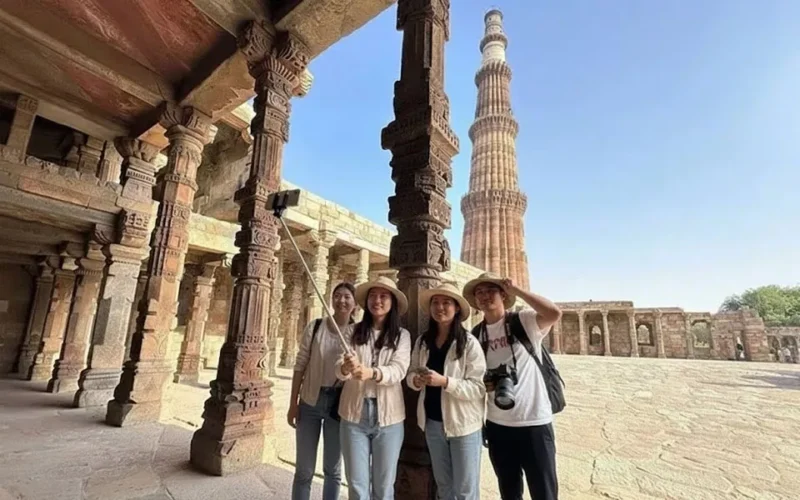
The 73-meter-high Qutub Minar isn’t just the world’s tallest brick minaret, it’s a breathtaking display of Indo-Islamic artistry. Commissioned in 1193 by Qutb-ud-din Aibak and finished by Iltutmish, the complex intricately blends red sandstone carvings, Arabic calligraphy, and ancient Hindu motifs. Wander among the atmospheric ruins, don’t miss the 1600-year-old Iron Pillar, and marvel at the Alai Darwaza gate and the Quwwat-ul-Islam Mosque.
- Inscribed: 1993
- Location: Mehrauli, South Delhi
- Entry Ticket Fee: ₹40 for Indian nationals, ₹600 for foreign tourists; children below 15 years enter free. Additional fee of about ₹25 for camera use applies. Tickets available online and at gate.
Pro tip: Visit in the early morning for fewer crowds, soft golden light, and stunning photos of both the tower and its shadowy arches.
Humayun’s Tomb
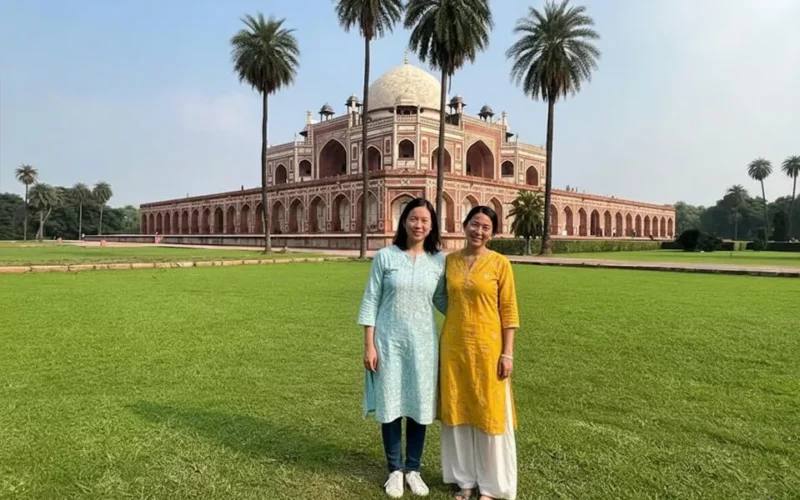
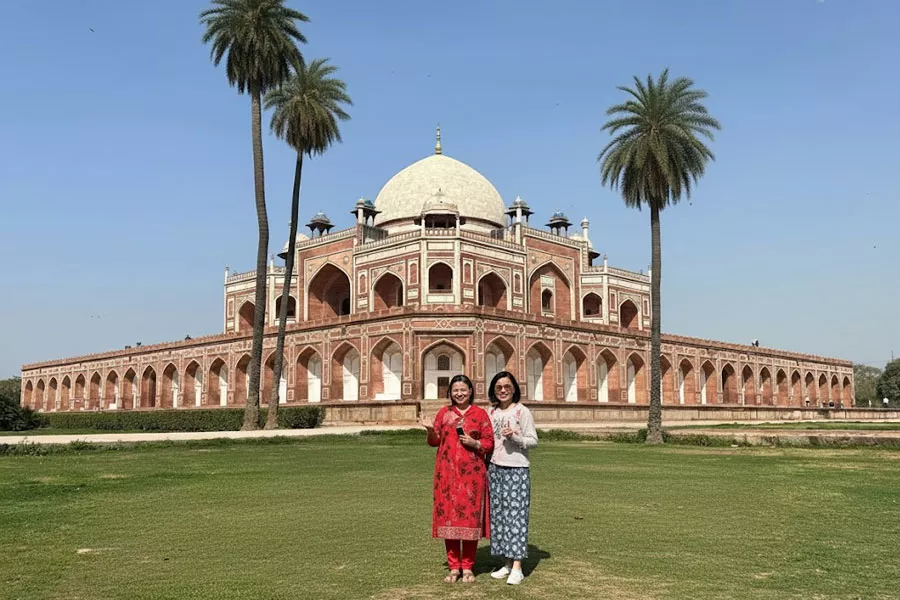
This garden tomb is the architectural crescendo that set the stage for the Taj Mahal. Commissioned by Hamida Banu Begum for her late husband, Emperor Humayun in 1569, its symmetrical red sandstone façade and luxuriant Charbagh layout feel dreamy at sunset. The play of light on Persian domes, white marble jalis, and serene water channels makes it an oasis of peace amid the capital’s bustle.
- Inscribed: 1993
- Location: Nizamuddin East, Delhi
- Entry Ticket Fee: ₹40 for Indian citizens, ₹600 for foreigners. Children under 15 free.
Photography Highlight: Frame the tomb’s perfect symmetry from across the garden reflecting pool—especially golden as dusk settles in.
Red Fort (Lal Qila)
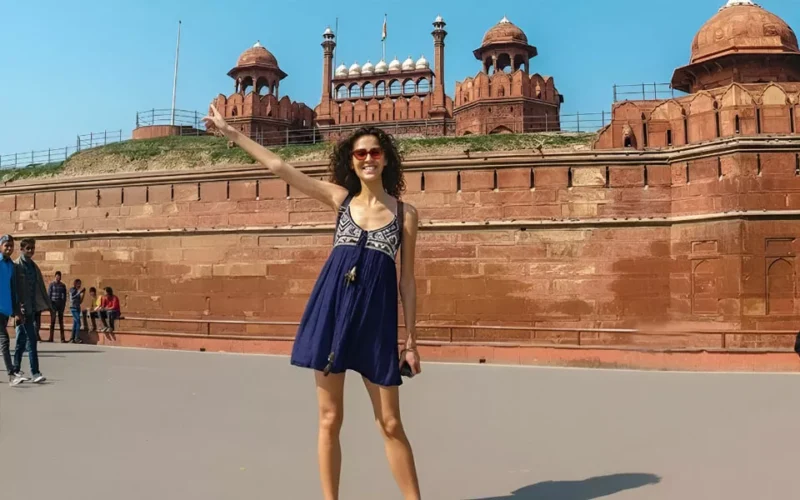
A symbol of Mughal zenith, Delhi’s Red Fort is both palace and fortress, echoing with tales of emperors, ceremonies, and independence. Built by Shah Jahan in the 17th century, the monument’s imposing walls, marble pavilions, and lush gardens showcase elite craftsmanship. Walking through Diwan-i-Aam, Diwan-i-Khas or the royal hammam, you’ll find the grandeur of a bygone era.
- Inscribed: 2007
- Location: Old Delhi
- Entry Ticket Fee: ₹35 for Indians, ₹600 for foreigners; camera fee extra.
Evening Tip: Don’t miss the Sound & Light Show after dusk—it’s a magical retelling of Indian history under the monument’s glowing ramparts.
Agra: Romance, Empire, and Timeless Elegance
Agra conjures images of romance and empire—a city where Mughal rulers shaped architectural wonders that became the pride of the world. Its three UNESCO World Heritage Sites form the tour’s golden core.
Taj Mahal
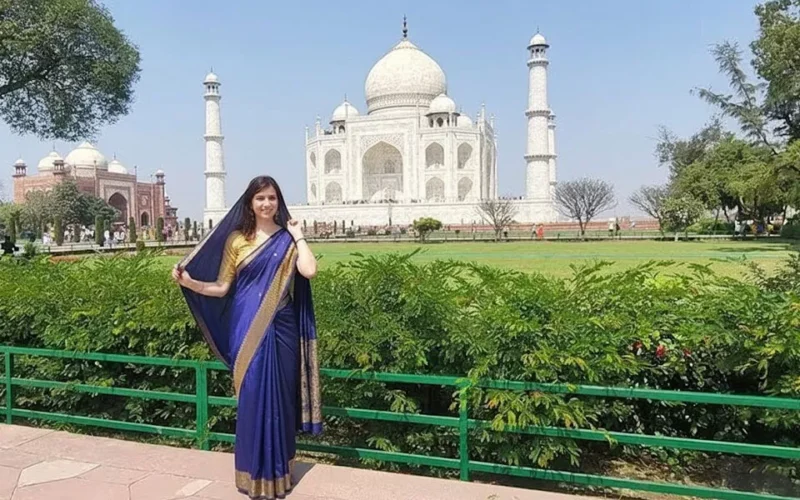
Crowned as one of the New Seven Wonders of the World, the Taj Mahal is India’s most celebrated silhouette. Built by Shah Jahan between 1632-1648 for beloved wife Mumtaz Mahal, its poetic white marble, intricate pietra dura inlay, and reflective water gardens have inspired millions. No monument expresses eternal love and artistic perfection in quite the same way.
- Dawn: Arrive at sunrise for tranquil moments and that perfect rosy glow as the first sunlight kisses the dome.
- Moonlight: Book a special night tour (check dates) for surreal silvery views—unforgettable for photographers and lovers alike.
- Inscribed: 1983
- Location: Agra
- Entry Ticket Fee: ₹60 for Indian citizens, ₹1300 for foreign tourists; children under 15 free. Additional fee for camera use. Online ticket booking recommended for crowd management.
Photo Tip: Capture the iconic reflection in the long water channel, framed by symmetrical minarets and Mughal cypress trees.
Agra Fort
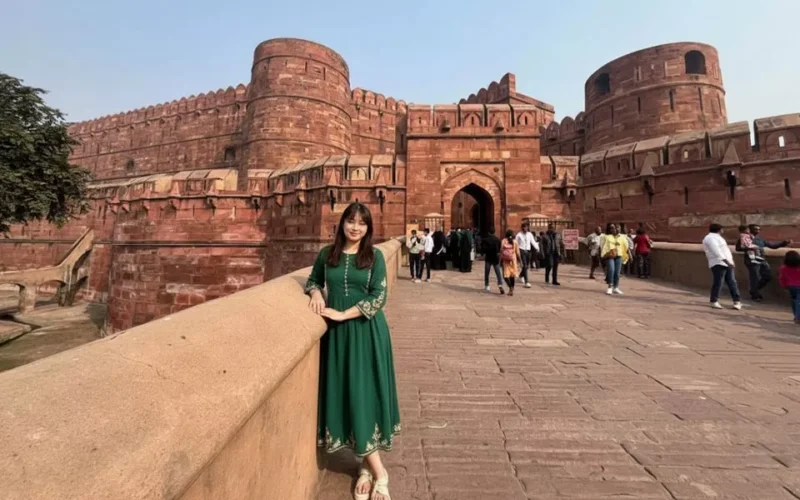
This UNESCO-listed red sandstone fortress was the epicenter of Mughal power before Delhi’s rise. Built by Akbar and expanded by Shah Jahan, its palaces (Jahangiri Mahal, Khas Mahal), marble mosque, and lush gardens witnessed love, treachery, and royal drama. The Musamman Burj, where Shah Jahan was imprisoned by his own son, offers an emotional view of the Taj—love visible, yet forever just out of reach.
- Inscribed: 1983
- Location: Agra
- Entry Ticket Fee: ₹50 for Indians, ₹650 for foreigners. Free entry for children under 15.
Fatehpur Sikri
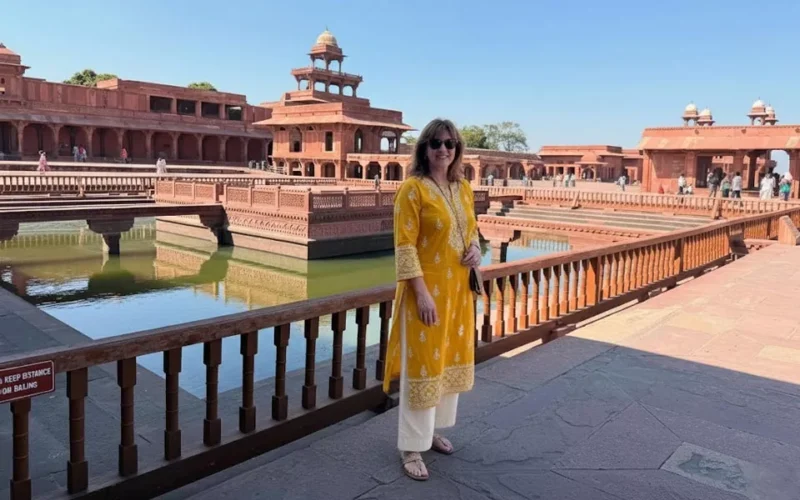
Fatehpur Sikri, the “City of Victory,” is a magnificent red sandstone ghost town built by Emperor Akbar in the 16th century. Once the Mughal capital, its marvels include the soaring Buland Darwaza gateway, Jama Masjid, Panch Mahal, and intricately painted palaces. Though abandoned for lack of water, its poetic courtyards and Sufi shrines remain beautifully preserved.
- Inscribed: 1986
- Location: 40 km from Agra
- Entry Ticket Fee: Around ₹50 for Indians, ₹610 for foreigners; free for children under 15.
Traveler’s Secret: Fatehpur Sikri is best explored in the golden hours (early morning or late afternoon), when the sandstone glows and the crowds are thin.
Jaipur: The Pink City’s Regal Heritage
Jaipur, Rajasthan’s dazzling capital, is India’s best-preserved walled city—a place of vision, planning, and stately grace. As the final leg of the Golden Triangle, it rewards travelers with World Heritage monuments, vibrant markets, and fairy-tale palaces.
Jaipur Walled City (The Pink City)
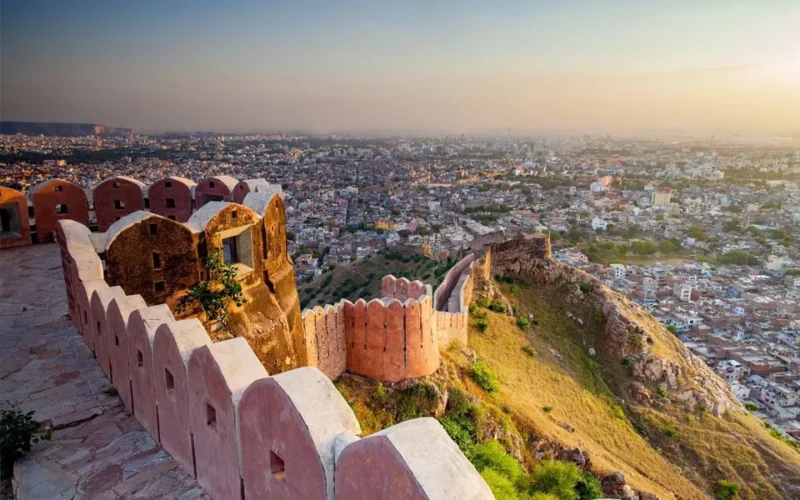
Jaipur was founded in 1727 by Maharaja Sawai Jai Singh II as India’s first planned city, following Vedic architectural wisdom and grid layouts. The old city’s salmon-pink walls, historic gateways, and urban symmetry earned UNESCO status in 2019. Within, you’ll find the iconic Hawa Mahal (Wind Palace), City Palace, bustling bazaars, and cultural vibrance.
- Inscribed: 2019
- Location: Jaipur
- Entry Ticket Fee: Access to the walled city itself is free. Specific monuments inside have individual entry fees (see below).
- Johari & Bapu Bazaar: Wander through Jaipur’s labyrinthine markets for jewelry, textiles, and local flavors.
- City Highlights: Camel carts, royal processions, and street performers make Jaipur a photographer’s dream.
Jantar Mantar (Jaipur)
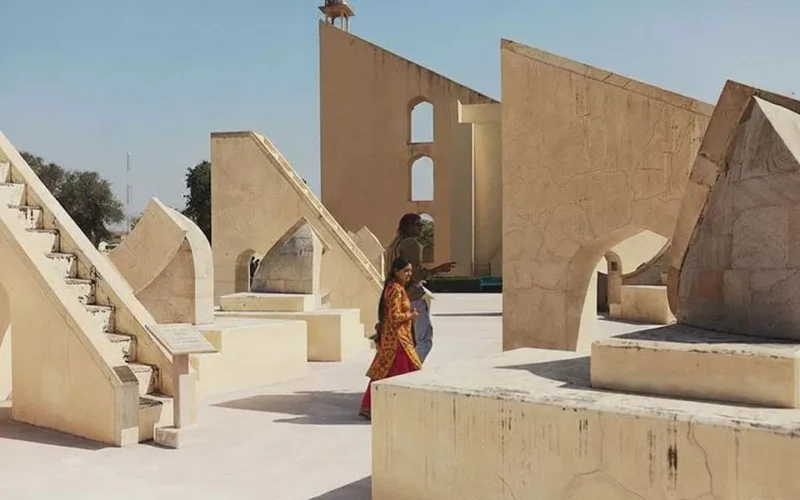
The Jantar Mantar is an outdoor astronomical observatory, built by Maharaja Jai Singh II in the early 18th century. With giant stone instruments to measure time, predict eclipses, and track stars, Jantar Mantar reflects India’s scientific genius. The world’s largest stone sundial, the Samrat Yantra, is its showstopper—a cosmic masterpiece for stargazers and science lovers.
- Inscribed: 2010
- Location: Near City Palace, Jaipur
- Entry Ticket Fee: ₹50 for Indian nationals, ₹200 for foreign tourists; children below 15 enter free.
Amber Fort (Amar Fort)
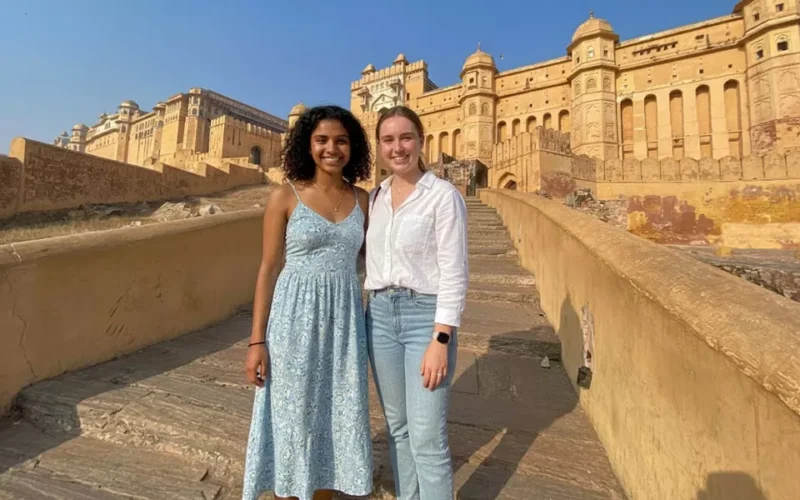
While Amber Fort is widely included in Golden Triangle tours and recognized by UNESCO as part of the Hill Forts of Rajasthan group site, some lists focus on it separately due to its sheer grandeur and visitor appeal. Perched atop rugged hills, Amber Fort combines Rajput and Mughal artistry, mirrorwork, painted ceilings, and serene lake reflections—don’t miss the Sheesh Mahal (Mirror Palace) or panoramic sunset views from the ramparts.
- UNESCO Hill Forts of Rajasthan Site (recognized within the group)
- Location: Jaipur outskirts
- Entry Ticket Fee: ₹60 for Indians, ₹500 for foreigners. Additional fees for photography apply.
Why Focus on UNESCO Sites?
These monuments aren’t just ancient buildings; they are chapters of world history, architectural innovation, and living heritage. Here’s why this tour appeals to every traveler:
- Deep History: Each site tells stories from the age of empires, dynasties, and visionaries.
- Architectural Brilliance: From minarets and marble domes to Rajput forts and stepwells, their craft is a feast for the curious eye.
- Global Recognition: UNESCO status means international effort goes into preserving their beauty and sharing their stories.
- Photographer’s Paradise: Light, colors, and details at every turn make each site Instagram-worthy, but more deeply, a personal memory to treasure.
- Effortless Route: All sites are easily accessed in 7–10 days, with short drives and plenty of opportunities for immersive local experiences.
Essential Golden Triangle Tour Planning
For first-time visitors, history buffs, family groups, or solo explorers, here’s how to get the most from your UNESCO-themed journey:
Suggested Itinerary (7–10 days)
-
- Day 1-2: Arrive in Delhi, discover Qutub Minar, Humayun’s Tomb, and Red Fort. Enjoy Chandni Chowk’s street life or dine at a modern Connaught Place café.
- Day 3: Road trip to Agra (3-4 hours), sunset at Taj Mahal, visit Agra Fort.
- Day 4: Morning excursion to Fatehpur Sikri, then return to Agra or travel onward.
- Day 5-6: Drive to Jaipur (4–5 hours). Tour Jantar Mantar, Amber Fort, Hawa Mahal, and explore the old city’s bazaars.
- Day 7: Relax, shop, and soak in the Pink City’s vibes before returning to Delhi or continuing to Rajasthan’s other gems (Ranthambore, Udaipur, Jodhpur).
Practical Travel Tips
- When to Visit: October to March offers pleasant weather for outdoor exploration and photography.
- Guides: Local certified guides or audio guides add depth to every site; don’t skip storytelling!
- Tickets: Book monument tickets online or with your tour operator to skip lines.
- Dress & Shoes: Wear comfortable shoes as walking is inevitable; modest attire is appreciated in mausoleums and temples.
- Photography: Allowed at most locations (no flash in tombs); check spot rules for tripods or drone use.
- Local Delights: Don’t miss food tastings—Delhi’s chaat, Agra’s petha, and Jaipur’s dal baati churma.
Family-Friendly, Safe, and Customizable
The Golden Triangle is one of India’s safest and most visitor-friendly circuits. You’ll find women-centric hotels, English-speaking drivers, family-friendly attractions, and 24/7 support with reputable tour operators and guides.
Tours can be easily customized—from luxury stays at Oberoi or Rambagh Palace to budget-friendly guesthouses and boutique heritage havelis. Add on a tiger safari in Ranthambore, a romantic escape to Udaipur, or a desert adventure in Jaisalmer to enrich your journey.
Where to Stay: Handpicked Hotels Near Each UNESCO Site
| City | Luxury | Heritage/Boutique | Budget |
| Delhi | The Imperial | Haveli Dharampura | Bloomrooms |
| Agra | Oberoi Amarvilas | ITC Mughal | Hotel Taj Resorts |
| Jaipur | Rambagh Palace | Samode Haveli , Pearl Palace Heritage | Pearl Palace |
- Book Early: Especially in peak season (Nov–Feb), top hotels fill quickly.
- Views Matter: At Amarvilas in Agra, wake to a private Taj Mahal sunrise view.
FAQs: Planning Your Perfect UNESCO Golden Triangle Trip
How many days are enough?
Minimum 5–7 days, but 7–10 days lets you enjoy every monument without feeling rushed.
Is it safe?
Yes—the Golden Triangle is extremely popular and safe, with robust infrastructure and visitor support.
Can I do it on my own?
Absolutely! But a private driver and car gives control, comfort, and invaluable local insight.
When’s the best time?
October–March for the best weather and sightseeing experience.
Can families or seniors travel comfortably?
Yes—the circuit’s relatively short drives, accessible walkways, heritage hotels, cultural shows, and local support make it excellent for all ages.
Are tours customizable?
100%. Add cities (Varanasi, Ranthambore, Udaipur), choose your pace, and tailor your hotels with most operators.
Can I photograph everything?
Nearly everywhere (no flash in tombs or certain areas); check ticket offices for exact guidelines.
Do I need a guide?
Guides are highly recommended for deeper stories, hidden details, and easy navigation.
Planning to book or customize your UNESCO Golden Triangle circuit?
Seek a private driver, book trusted hotels early, and embark during the cool months for maximum delight and comfort. Check official tourism and UNESCO sites for the latest guidelines on visiting each monument.