


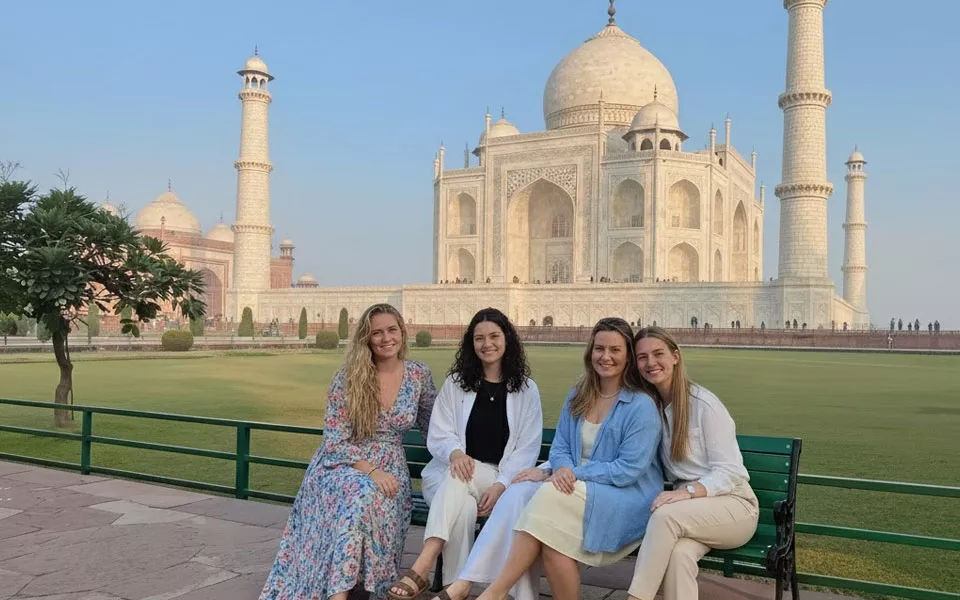
India’s Golden Triangle—Delhi, Agra and Jaipur—offers solo women travellers a powerful mix of Mughal history, colourful bazaars and royal forts, but it also demands awareness and smart planning. When you travel alone, you control your own time, pace and experiences, yet you also become fully responsible for your safety, choices and boundaries. With the right mindset, reliable local support and a few non‑negotiable safety rules, you can explore the Taj Mahal at sunrise, wander Jaipur’s pink streets and taste Delhi’s famous street food without feeling constantly on edge. Many women successfully complete this route every year; they stay alert, respect local culture and use verified services instead of taking unnecessary risks, which is exactly what this guide helps you do.
Is the Golden Triangle Safe for Solo Women?
India sometimes makes headlines for safety concerns, but the Golden Triangle is a tourist‑heavy route with good infrastructure, many hotels, and plenty of other travelers around you. Millions of women visit these cities every year, many solo, and leave with positive experiences when they stay on the main tourist circuit and take basic precautions.
Safety does not mean zero risk; it means reducing risk through choices — where you stay, how you dress, how you travel, and how you respond to situations. The Golden Triangle is generally safer than remote or rural areas, especially if you limit late‑night solo outings and stick to central, well‑lit neighborhoods.
Pre‑Trip Planning for Women Travelers
Good preparation before you leave home makes your Golden Triangle tour feel calmer and safer from the moment you land.
Decide When to Travel
- Aim for October to early Marchfor the most pleasant weather and higher tourist activity in Delhi, Agra, and Jaipur.
- Avoid extreme summer months in Delhi and Jaipur if you dislike intense heat and potential discomfort.
Map Your Main Stops
- Familiarize yourself with central, tourist‑friendly areas:
- Delhi: South Delhi, Connaught Place, Lutyens’ Delhi.
- Agra: Tajganj, Sikandra, and neighborhoods near the Taj Mahal.
- Jaipur: C‑Scheme, MI Road, Vaishali Nagar, and the old city near the main bazaars.
- Note nearby metro stations, taxi stands, and major hotels so you can quickly orient yourself on arrival.
Book Key Things in Advance
- Reserve at least your first and last night in reputable hotels or guesthouses in central locations.
- Arrange airport or station pickup through your hotel or a trusted operator to avoid last‑minute negotiations.
- If you feel more comfortable, book a guided Golden Triangle tour or join a small women‑friendly group that includes transport and vetted stays.
Top Safety Highlights & Experiences
- Exploring the Taj Mahal at sunrise with a licensed guide or small group in a safe, well‑supervised setting.
- Using the Delhi Metro women‑only coachesto move between tourist hubs like Connaught Place and Hauz Khas.
- Strolling Jaipur’s bazaars(Johari, Bapu, Sireh Deori) during daylight hours with a clear sense of direction.
- Visiting Amber Fort and Agra Fort by private car or organized tour instead of hiking alone in remote corners.
- Enjoying rooftop or restaurant dinners in central, busy areas while sharing your live location with a trusted contact.
- Joining a women‑led walking tour, cultural experience, or women‑only group tour focused on local artisans and stories.
- Adding a short India Safari Tours–style wildlife extension(for example, Ranthambore or another nearby national park) where you explore only with an official guide and never wander off the trail.
How to Dress and Carry Yourself With Confidence
How you look and move through the streets can influence how people treat you.
Dressing for Comfort and Respect
- Wear loose, modest clothingthat covers shoulders and knees: kurtis, palazzos, long skirts, maxi dresses, and light tunics blend in well.
- Use a scarf or dupatta to cover your head when entering mosques, gurudwaras, or certain temples.
- Avoid very tight, revealing, or overly Western outfits in conservative or religious areas to reduce unwanted attention.
Body Language and Confidence
- Walk with purpose and awareness, not fear; people notice confidence and are less likely to target someone who looks self‑assured.
- Smile and be polite, but do not feel pressured to engage in long conversations or accept drinks from strangers.
- Keep your phone and wallet in front pockets or inner‑zip bags instead of open backpacks, especially in crowded markets.
Staying Safe in Each Golden Triangle City
Each city has its own rhythm, but these core rules apply everywhere.
Delhi: Safety Tips for a Solo Woman
- Use the Delhi Metro, which runs frequently and has women‑only coaches during peak hours; this is one of the safest ways to move around the city.
- Avoid walking alone late at night in non‑touristy or poorly lit areas; instead, use app‑based cabs or pre‑booked taxis.
- In busy markets like Chandni Chowk or Khan Market, stay on main streets, keep your bag closed, and avoid flashing expensive jewelry.
Agra and the Taj Mahal
- Visit the Taj Mahal early in the morning or during official daytime hours; the area becomes quieter after dark, and the gates close.
- Hire authorized guides or hotel‑recommended drivers only; avoid pushy touts who try to lead you into unofficial entrances or side routes.
- Stick to the main tourist circuit: Taj Mahal, Agra Fort, and nearby hotels; avoid isolated lanes or parks after dusk.
Jaipur: Navigating the Pink City
- In the old walled city, walk during daylight in busy streets like Johari Bazaar, Bapu Bazaar, and Station Road; they are tourist‑friendly and usually safe.
- For forts such as Amber Fort or Nahargarh, travel by taxi or organized tour and avoid exploring remote corners alone.
- Use guided walking toursor join small groups if you want to visit quieter neighborhoods or artisan villages.
Safe Transport Choices for Women
Choosing how you move between and within cities is one of the most important safety decisions on your tour.
Within Cities
- App‑based cabs(Ola, Uber, or similar local services) are generally safer than unmetered street taxis because you can see driver details, share your ride, and track your journey.
- Pre‑paid taxisat airports and railway stations are reliable and help avoid last‑minute bargaining.
- Auto‑rickshawscan be affordable, but agree on the fare or insist on the meter before starting and avoid riding alone at night in dark areas.
Between Delhi, Agra, and Jaipur
- Trains(especially AC coaches) are a common and relatively safe way to move; many women find women‑only waiting areas and coaches more comfortable.
- Pre‑booked tourist buses or private cars from reputable operators are good if you prefer not to handle stations alone.
- Avoid midnight or very early morning shared buses from unknown operators; opt instead for well‑known companies with clear reviews.
Choosing Safe Accommodation
Your hotel or guesthouse is your “home base”; choosing the right one gives you peace of mind.
What to Look For
- Central, well‑lit locations close to metro stations, major attractions, or women‑friendly neighborhoods.
- Clear reviews from solo female travelers mentioning safety, cleanliness, and staff behavior.
- 24‑hour reception, key‑card access, and CCTV in common areas as basic security features.
Extra Comforts for Women
- Some properties offer women‑only dorms or floors, which can ease your mind if you are new to solo travel.
- Look for women‑led tours or women‑only groups that include stays vetted for safety and comfort.
Staying Safe at Night and During the Day
Even on a busy circuit like the Golden Triangle, your habits at night should be different from daytime.
Night‑Time Habits
- Avoid walking alone in dark or poorly lit streets after 9–10 PM; use a taxi, auto, or app‑based cab instead.
- If you go out for dinner, choose well‑known restaurants in busy areas and share your live location with a trusted contact.
- Keep your phone charged and have emergency contacts, local numbers, and your hotel’s details saved on your lock screen.
Daytime Safety
- Stay alert in crowds: keep your bag closed, hold your phone firmly, and avoid putting everything in one pocket.
- In markets, say “no thanks” clearly but politely if shopkeepers or guides pressure you; you do not need to be “nice” at the cost of your comfort.
- Use licensed guides from official counters or your hotel; avoid random people offering free tours.
Handling Harassment and Uncomfortable Situations
If you face unwanted attention or harassment, knowing how to respond reduces stress and keeps you in control.
If You Feel Uncomfortable
- Move away quickly and head toward a crowded or well‑lit area such as a shop, hotel lobby, or metro station.
- Use your phone: pretend to call someone loudly (“I’m already on my way to my hotel”) or open a sharing‑location app so the person sees you are connected.
Responding to Staring or Comments
- Many stares are cultural curiosities, but if they feel intense or threatening, do not engage; keep walking and avoid eye contact.
- If someone follows you or makes repeated comments, change direction, enter a shop, or flag down security or police.
Reporting Serious Incidents
- Save local emergency numbers in your phone and note where the nearest police station or tourist office is in each city.
- If something serious happens, contact your hotel reception, guide, or tour operator; many reputable companies provide 24/7 support for women.
Money, Documents, and Digital Safety
Keeping your documents and money secure is as important as personal safety.
Carrying Cash and Cards
- Use a money belt or inner pouch for your passport, visa, and most cash, and keep a small wallet in your front pocket for daily expenses.
- Carry multiple payment options: a local debit card, credit card, and a small amount of cash in small denominations.
Digital Security
- Get a local SIM with data so you can always access maps, ride‑hailing apps, and translation tools.
- Install offline maps and keep your full itinerary saved in cloud storage or email so you do not rely only on cellular data.
Scams and Touts to Watch Out For
Popular tourist circuits attract not only visitors but also some opportunistic touts and scams.
Common Scams
- Fake guides or “shortcut” maps at monuments that insist you must pay extra or follow them; always use official counters or hotel‑recommended guides.
- Taxi drivers who refuse meters or suggest “cheap” overnight stays far from the city; insist on meter or pre‑booked fares.
- Over‑pushy hotel owners near stations who claim trains are canceled; verify times yourself before changing plans.
How to Avoid Them
- Confirm prices in advance for taxis, guides, and local experiences, and ask for a rough written estimate when possible.
- Double‑check opening times, directions, and prices using your own map or guidebook instead of trusting strangers’ advice blindly.
Health, Hygiene, and General Safety
Physical safety also means staying healthy and avoiding situations that put you at risk.
Food and Water
- Drink bottled or filtered water; avoid ice unless you are sure it comes from a reputable source.
- Start with well‑known restaurants and street food stalls with high turnover to reduce the risk of stomach issues.
Sleep and Energy
- Do not pack your days so full that you are exhausted; tired travelers make more errors and are more vulnerable.
- Avoid sleeping in public areas like railway station benches; use a hotel or hostel room instead.
Women‑Friendly Experiences and Tours
You can make your Golden Triangle tour feel safer and more comfortable by choosing women‑friendly options.
Women‑Only and Group Tours
- Several operators run women‑only group tours through Delhi, Agra, and Jaipur, sometimes combined with cultural or wellness experiences.
- These tours often include female guides, women‑friendly hotels, and group support, which can reduce anxiety for solo travelers.
Cultural and Community Experiences
- Look for experiences that involve local women artisans, homestays with female hosts, or women‑focused walking tours; these can give you a deeper, safer connection to the culture.
Inclusions & Exclusions
Typical Inclusions on a Safe Golden Triangle Tour
- Airport or station pickup and dropwith a verified, professional driver.
- Accommodation in central, well‑reviewed hotels with 24‑hour reception.
- Daily breakfast or set mealsat reputable restaurants.
- Local, English‑speaking guides for major monuments like the Taj Mahal, Amber Fort, and Red Fort.
- Transport between cities via private car, AC train coach, or reputable bus.
- Basic emergency support via tour operator or hotel contacts.
Common Exclusions to Be Aware Of
- Visa fees and travel insurance(you usually arrange these yourself).
- Personal expenses like shopping, extra meals, or spa treatments.
- Tips and optional activities are not listed in the itinerary.
- Costs for late‑night transport or unplanned changes in schedule.
Final Tips for a Confident Solo Experience
- Trust your instincts: if a place, person, or situation feels wrong, leave or change plans.
- Stay connected: share your location, keep your phone charged, and update a trusted contact regularly.
- Be open, but cautious: India is full of kind, helpful people, but it pays to be smart about boundaries and personal space.
With these safety tips, clear planning, and a respectful, confident attitude, your solo Golden Triangle tour can become one of the most rewarding experiences of your life—one that feels exciting, empowering, and secure from start to finish